

Bali is home to countless breathtaking destinations, but few places capture the island’s spiritual essence quite like Pura Lempuyang. Located in the eastern part of the island, this ancient temple complex sits high on the slopes of Mount Lempuyang, offering not only panoramic views but also a deep sense of tranquility that reflects Bali’s rich spiritual heritage. As one of the island’s oldest and most revered temples, it plays a significant role in Balinese Hinduism, attracting both devoted pilgrims and curious travelers who seek to understand the cultural soul of Bali beyond its beaches and resorts.
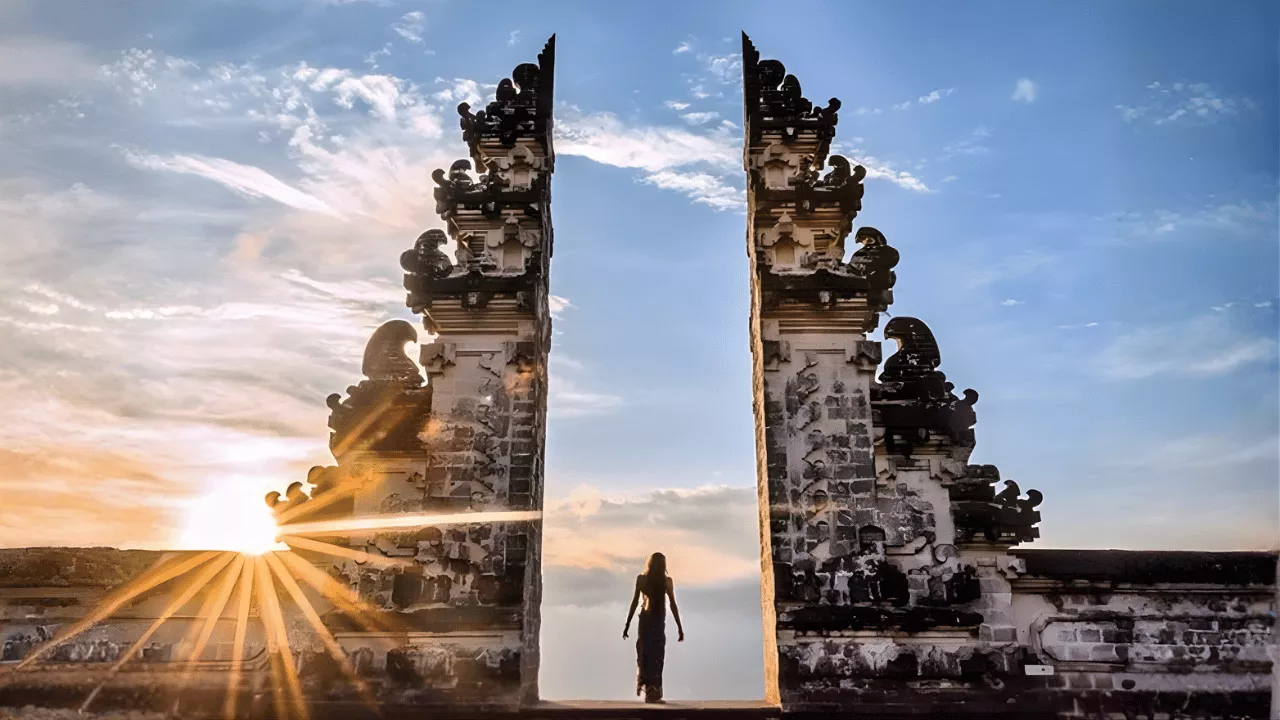
Known worldwide for its iconic “Gate of Heaven,” Pura Lempuyang has become a symbol of Bali’s mystical beauty, especially with the majestic Mount Agung perfectly framed in the background. However, the temple is much more than a popular photo spot—it offers a meaningful journey that blends culture, spirituality, and nature. Visitors can experience sacred rituals, explore lush mountain landscapes, and immerse themselves in a peaceful atmosphere that feels far removed from the island’s busier tourist hubs. Whether you are seeking a deeper cultural connection or simply looking for unforgettable views, Pura Lempuyang truly deserves a place on your Bali itinerary.
The Iconic Gate of Heaven Experience
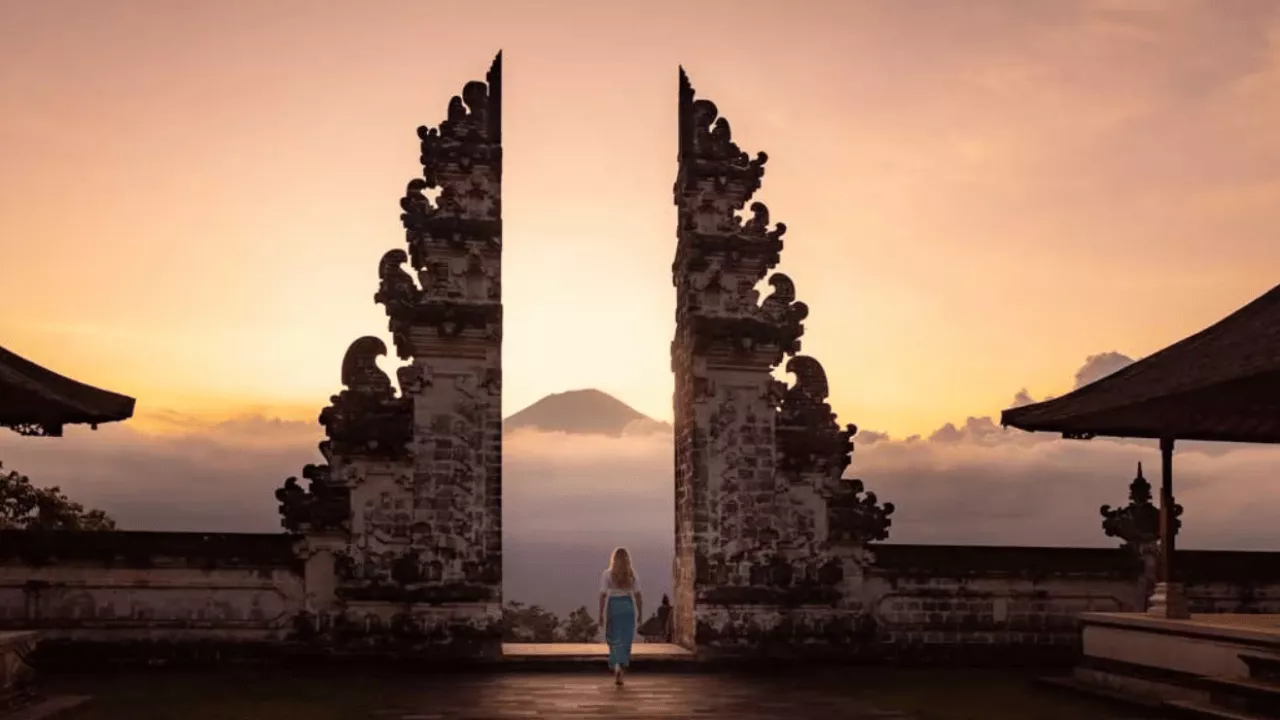
One of the main reasons travelers visit Pura Lempuyang is to witness the famous Gate of Heaven. This iconic spot has become a global sensation, drawing photographers, influencers, and spiritual seekers alike. Beyond its visual appeal, the gate represents a deeper connection between the physical and spiritual worlds in Balinese culture.
Pura Lempuyang is one of the most iconic and spiritually significant temples in Bali, widely recognized for its breathtaking “Gate of Heaven.” This famous split gate, known locally as Candi Bentar, frames the majestic Mount Agung in the background, creating a surreal and almost otherworldly view that has captivated travelers from around the globe.
What makes this experience truly unique is not just the visual beauty, but also the spiritual atmosphere that surrounds the site. As one of Bali’s oldest and most revered temples, Pura Lempuyang offers more than just a photo opportunity—it invites visitors to connect with the island’s deep-rooted Hindu traditions.
The reflection effect often seen in photos is cleverly created by local photographers using a mirror, enhancing the illusion of water beneath the gate. Despite its popularity on social media, the site maintains its sacred essence, and visitors are expected to respect local customs and traditions during their visit.
Things to Do at Pura Lempuyang
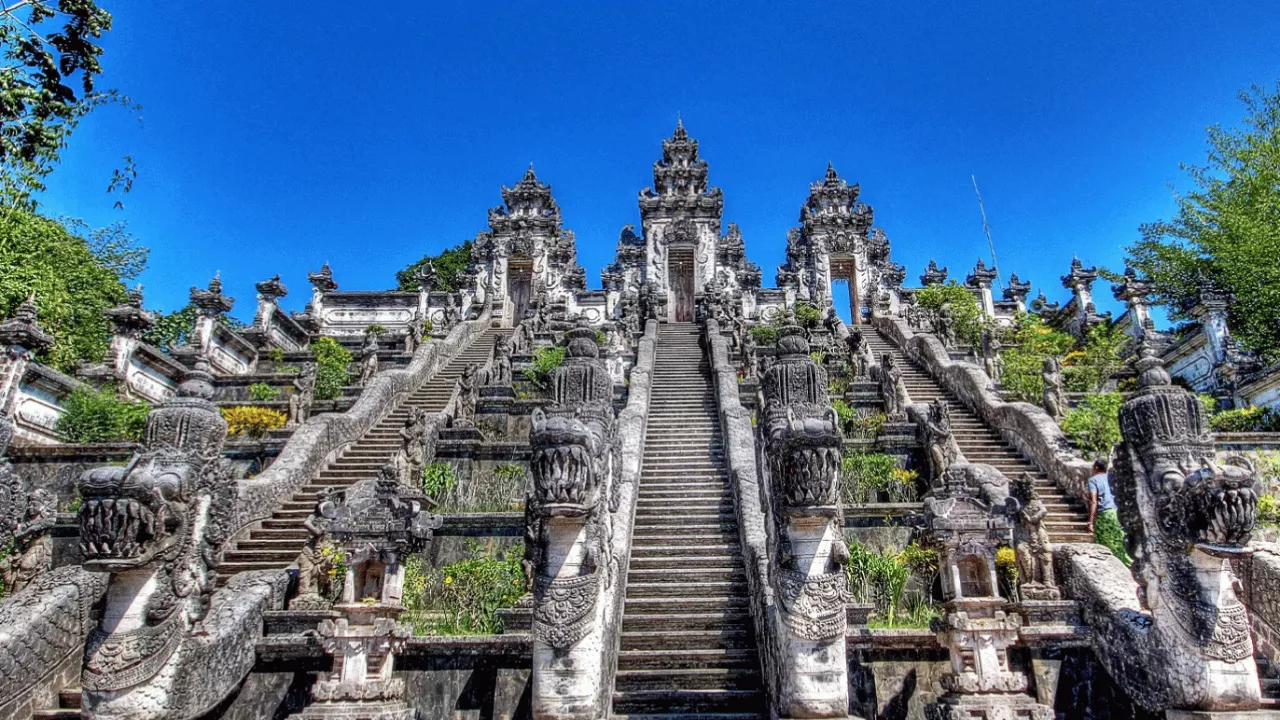
Visiting Pura Lempuyang is more than just taking photos at the Gate of Heaven. The temple complex and its surroundings offer a variety of activities that allow travelers to experience Bali’s natural beauty, spiritual traditions, and cultural richness. From hiking to cultural exploration, there is something for every type of visitor.
Hiking the 1,700 Steps to the Summit
For those seeking a more immersive and spiritual experience, hiking the 1,700 steps to the summit of Pura Lempuyang Luhur is a rewarding challenge. The climb takes you through lush forests and steep stairways, offering moments of tranquility and reflection along the way.
This journey is not just physical but also spiritual. Many locals undertake the climb as a form of pilgrimage, stopping at various temples along the path to pray and meditate. Reaching the top provides a profound sense of accomplishment, along with stunning panoramic views of East Bali.
Exploring the Surrounding Nature
The area surrounding Pura Lempuyang is rich in natural beauty. Dense tropical forests, rolling hills, and fresh mountain air create a peaceful environment that contrasts with Bali’s more crowded tourist hubs.
Visitors can enjoy scenic walks, capture stunning landscape photography, or simply relax and take in the serene atmosphere. The untouched nature around the temple adds to its mystical charm and makes it a perfect destination for nature lovers.
Experiencing Balinese Culture and Rituals
Pura Lempuyang is an active place of worship, and visitors often have the chance to witness traditional Balinese ceremonies. These rituals, complete with offerings, incense, and traditional attire, provide a deeper insight into the island’s cultural and spiritual life.
Observing these practices respectfully allows travelers to gain a better understanding of Balinese Hinduism and its importance in daily life.
The History of Pura Lempuyang
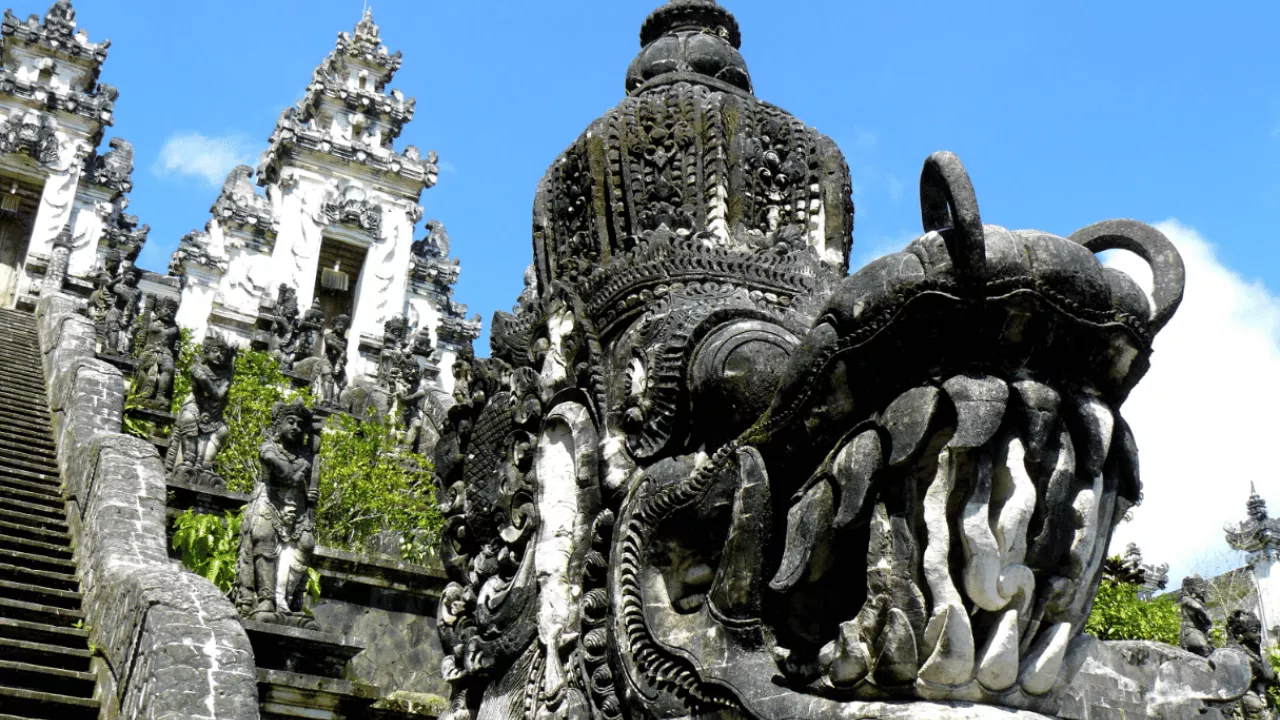
Understanding the history of Pura Lempuyang adds depth to your visit. This ancient temple is not only a tourist attraction but also a significant cultural and spiritual landmark that has been preserved for centuries. Its origins are deeply rooted in Balinese mythology and religious beliefs.
Origins and Ancient Legends
The history of Pura Lempuyang dates back over a thousand years, making it one of the oldest temples in Bali. According to local legends, the temple was established to maintain balance and harmony on the island, particularly in relation to Mount Agung, which is considered the spiritual center of Bali.
The name “Lempuyang” itself is believed to derive from ancient words meaning “light” or “divine guidance,” reflecting the temple’s role as a source of spiritual enlightenment.
Connection to Sad Kahyangan Jagad Temples
Pura Lempuyang is part of the Sad Kahyangan Jagad, a group of six key temples that are considered the spiritual pillars of Bali. These temples are strategically located across the island to protect it from negative forces and maintain cosmic balance.
As one of these important temples, Pura Lempuyang holds a special place in the hearts of Balinese Hindus and is frequently visited for religious purposes.
Spiritual Role in Balinese Hinduism
In Balinese Hindu belief, Pura Lempuyang represents the eastern direction and is associated with purity and spiritual awakening. It is often included in pilgrimage routes, and visiting the temple is considered a way to cleanse the soul and seek blessings.
Spiritual Significance of Pura Lempuyang
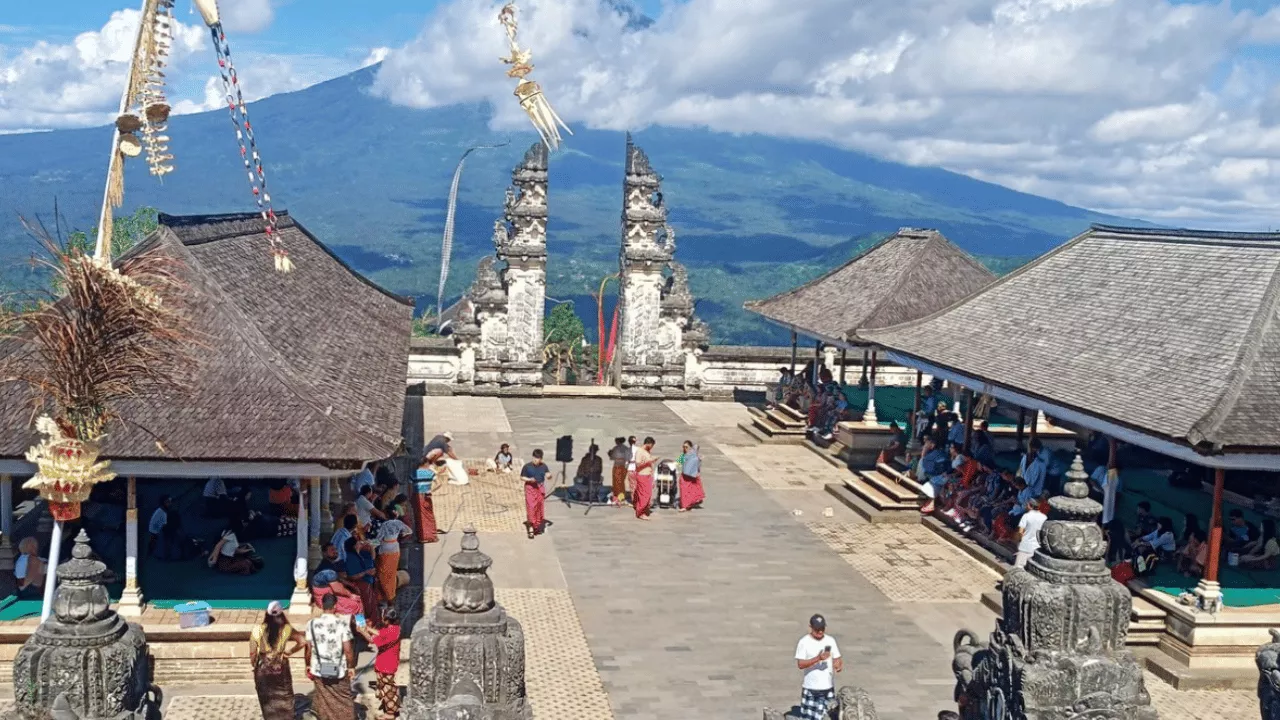
Beyond its historical importance, Pura Lempuyang plays a vital role in the spiritual life of Bali. It is not merely a place to visit, but a sacred space where people come to seek balance, guidance, and connection with the divine.
The Temple as a Place of Worship
Unlike many tourist attractions, Pura Lempuyang remains a deeply sacred site. Devotees come here to pray, present offerings, and connect with the divine.
Visitors are encouraged to maintain silence and respect during ceremonies, as the temple plays an essential role in the spiritual life of the local community.
Symbolism of Mount Lempuyang and Directional Temples
Mount Lempuyang itself is considered sacred and symbolizes the connection between the physical and spiritual worlds. The temple complex is aligned with Bali’s directional temple system, which is designed to maintain harmony between humans, nature, and the gods.
Pilgrimage and Ritual Practices
Pilgrimage to Pura Lempuyang often involves visiting multiple temples within the complex. Devotees follow specific rituals, including purification and prayer, as they ascend the mountain.
This journey reflects the Balinese philosophy of spiritual growth, where effort and devotion lead to enlightenment.
Best Time to Visit Pura Lempuyang
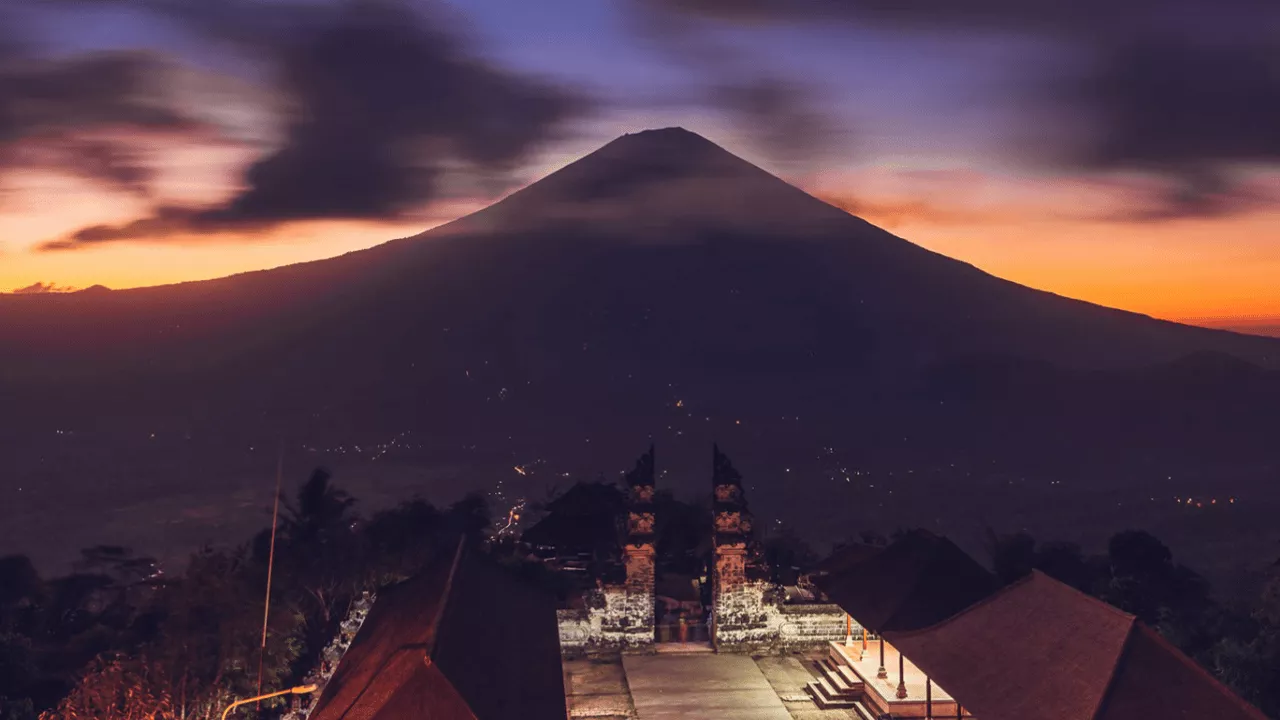
Planning your visit at the right time can significantly enhance your experience at Pura Lempuyang. Factors such as weather, crowd levels, and time of day all play an important role in determining the quality of your visit.
Weather Conditions and Seasonal Considerations
The best time to visit Pura Lempuyang is during Bali’s dry season, which typically runs from April to October. During this period, the weather is more predictable, with clear skies that enhance the view of Mount Agung.
Avoiding Crowds and Peak Hours
Due to its popularity, the temple can become crowded, especially during peak tourist seasons. Arriving early in the morning is highly recommended to avoid long queues, particularly for photos at the Gate of Heaven.
Sunrise vs Sunset Experience
Sunrise is often considered the best time to visit, as the soft light creates a magical atmosphere and offers the clearest views. However, sunset can also provide a beautiful and less crowded alternative.
Travel Tips for Visiting Pura Lempuyang
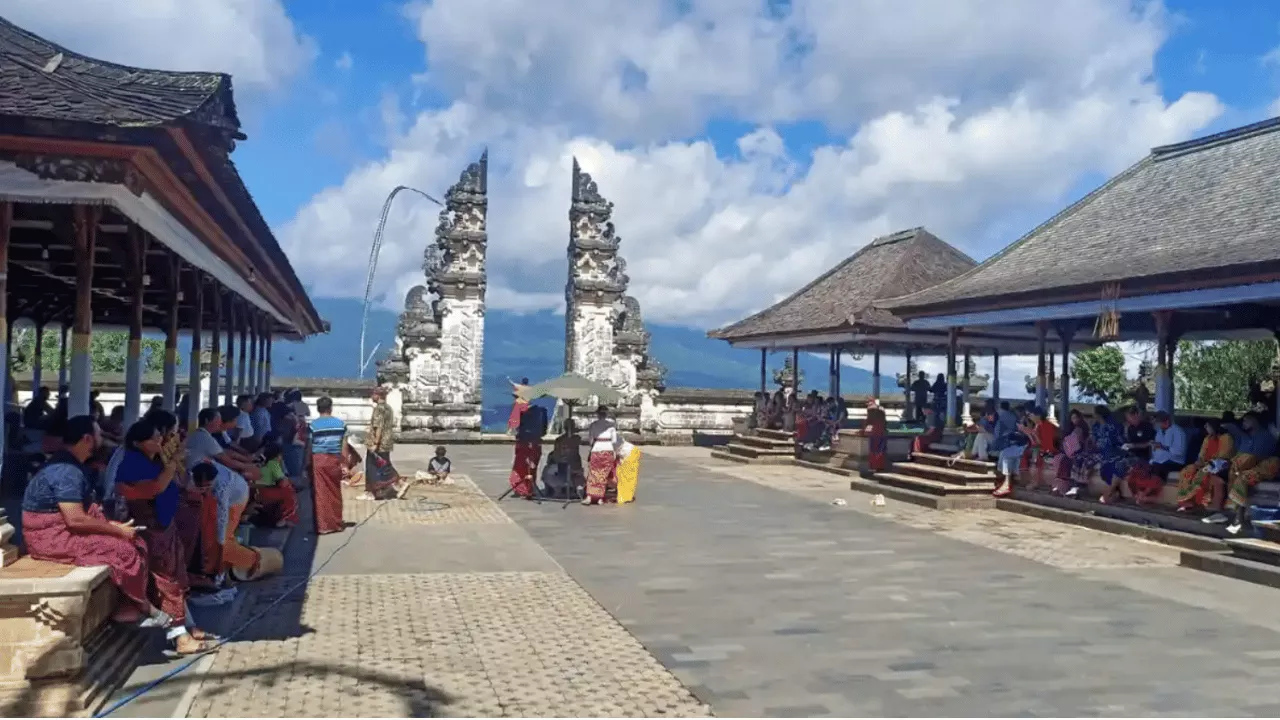
To make the most of your trip to Pura Lempuyang, it’s important to come prepared. From what to bring to how to behave, a few simple tips can ensure a smooth and respectful visit.
What to Bring for the Journey
Visitors should bring comfortable clothing, water, sunscreen, and a camera. A sarong is required to enter the temple, but it is usually available for rent on-site.
Physical Preparation for the Climb
Climbing the steps to the upper temple requires a moderate level of fitness. It is advisable to take breaks, stay hydrated, and pace yourself throughout the journey.
Respecting Local Culture and Traditions
Respect is key when visiting Pura Lempuyang. Always follow temple rules, dress modestly, and avoid disruptive behavior, especially during ceremonies.
Nearby Attractions Around Pura Lempuyang
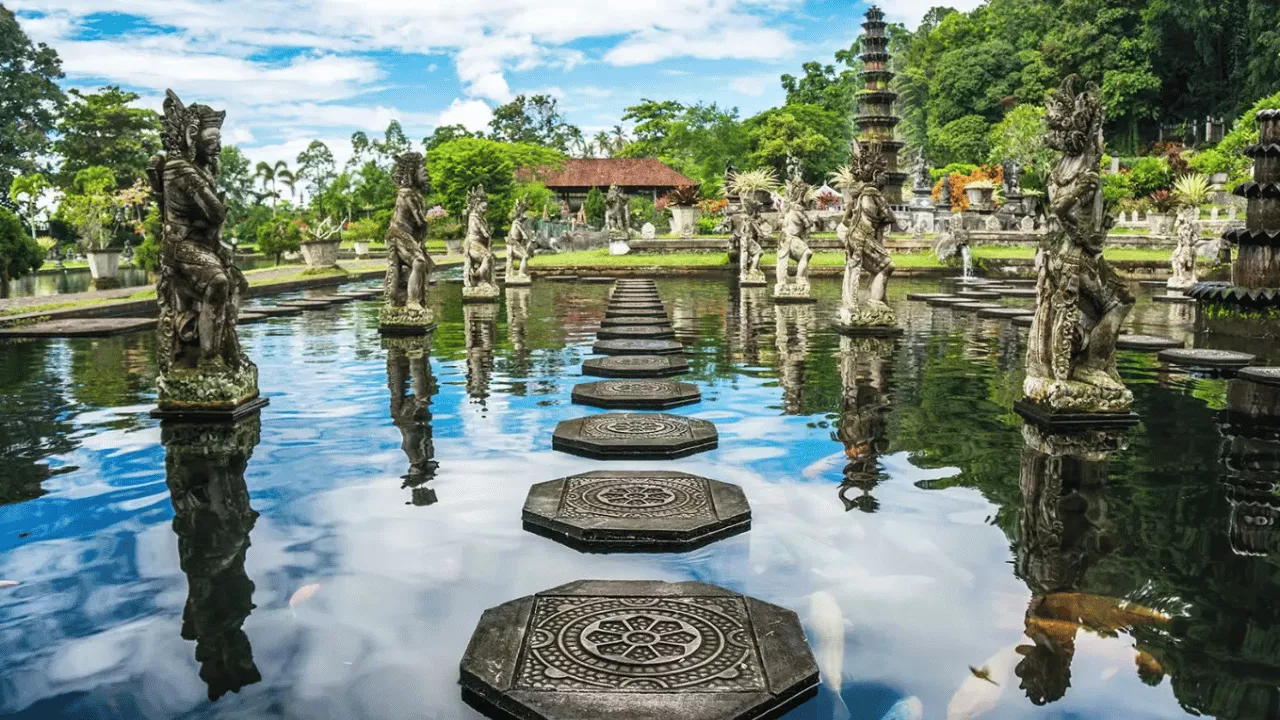
Exploring the area around Pura Lempuyang can enrich your travel experience even further. East Bali is filled with hidden gems that offer a mix of cultural landmarks, scenic landscapes, and relaxing coastal spots.
Tirta Gangga Water Palace
Located a short drive from Pura Lempuyang, Tirta Gangga Water Palace is a former royal water garden known for its elegant fountains, koi-filled ponds, and iconic stepping stones. The peaceful atmosphere and beautifully landscaped grounds make it a perfect place to relax while enjoying traditional Balinese architecture. It’s also one of the most photogenic spots in East Bali, ideal for capturing serene and artistic travel photos.
Taman Ujung Water Palace
Another nearby attraction is Taman Ujung Water Palace, a historic royal complex that showcases a blend of Balinese and European architectural styles. Surrounded by expansive gardens, large pools, and open walkways, it offers a tranquil setting with scenic views stretching toward the coastline. The spacious layout makes it perfect for leisurely walks while exploring Bali’s royal heritage.
Amed and East Bali Beaches
The coastal area of Amed is known for its black sand beaches, crystal-clear waters, and relaxed village atmosphere. It’s a popular destination for snorkeling and diving, with vibrant coral reefs and diverse marine life just offshore. Compared to busier areas in Bali, Amed provides a მშვიდ and authentic escape, making it an ideal place to unwind after visiting the temple.
Accommodation Options in Bali
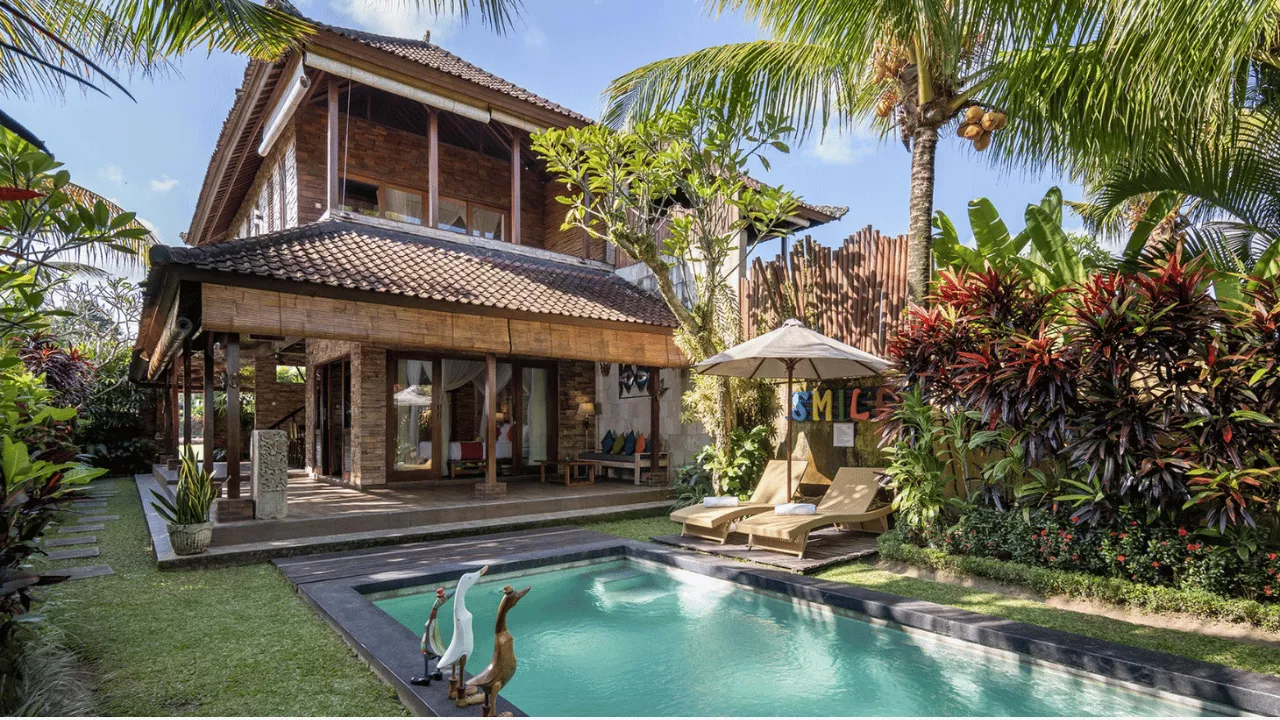
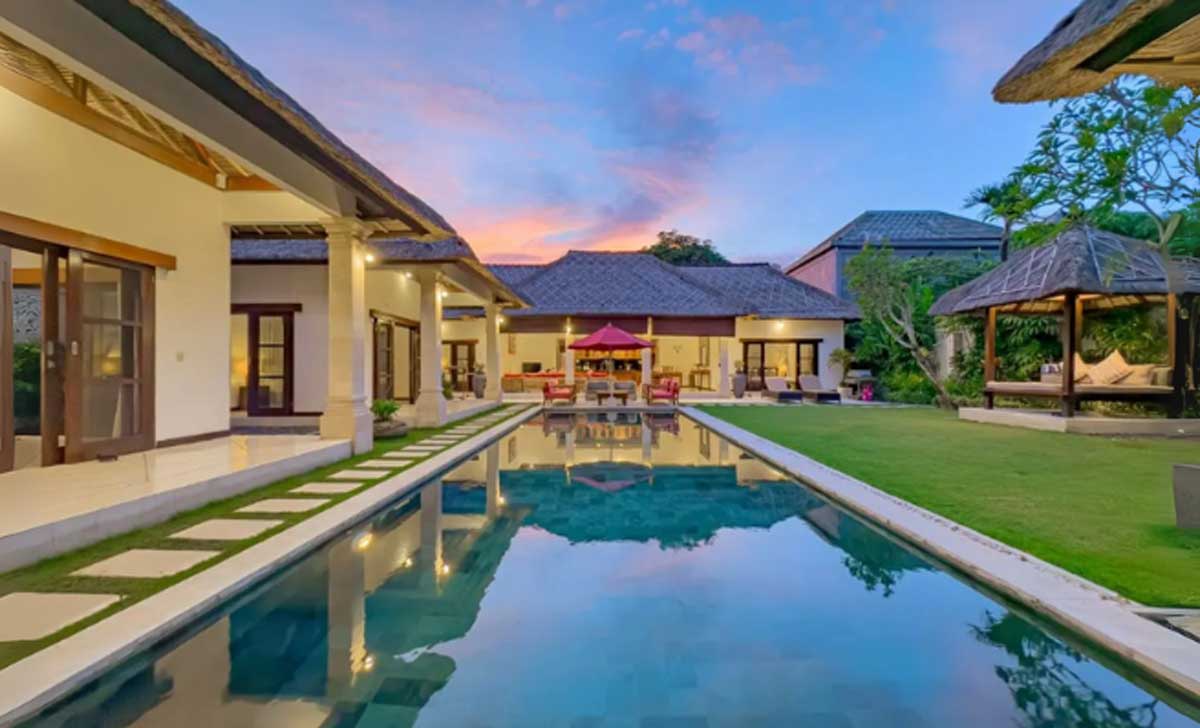
Choosing the right place to stay is an essential part of planning your Bali trip, as it can greatly influence your overall experience on the island. From serene beachfront resorts to stylish boutique hotels tucked away in lush jungles, Bali offers a diverse range of accommodations that cater to every type of traveler and travel style. Whether you’re seeking the privacy and comfort of a luxury villa, the charm of a boutique stay, or a budget-friendly option that still provides convenience and local character, there are countless choices available across popular areas like Seminyak, Ubud, and Canggu. By selecting accommodation that aligns with your itinerary, preferences, and desired level of comfort, you can ensure a more enjoyable, relaxing, and memorable stay while exploring everything Bali has to offer.
Finding the Perfect Villa with Villa Buddy
When planning your trip, finding a reliable accommodation platform can make all the difference. Villa Buddy is a trusted villa rental platform that offers a curated selection of high-quality villas across Bali.
With Villa Buddy, travelers can easily find villas that match their preferences, whether it’s a peaceful retreat in East Bali or a stylish property near popular tourist areas. Each listing is carefully selected to ensure comfort, quality, and a memorable stay.
For anyone visiting Pura Lempuyang, choosing the right accommodation through Villa Buddy can elevate the entire travel experience, providing both convenience and peace of mind.
FAQ

What is Pura Lempuyang famous for?
Pura Lempuyang is famous for its iconic “Gate of Heaven,” a split gate that perfectly frames Mount Agung. It is also one of Bali’s oldest and most sacred temples, making it both a cultural and spiritual landmark.
Where is Pura Lempuyang located?
Pura Lempuyang is located in East Bali, within the Karangasem Regency. It sits on the slopes of Mount Lempuyang, offering stunning views of the surrounding landscape.
How many steps are there at Pura Lempuyang?
There are approximately 1,700 steps leading to the highest temple, Pura Lempuyang Luhur. The climb can take several hours and is considered both a physical and spiritual journey.
What is the best time to visit Pura Lempuyang?
The best time to visit Pura Lempuyang is early in the morning during the dry season (April to October). Sunrise is especially popular for clearer views and fewer crowds.
Is there a dress code for visiting Pura Lempuyang?
Yes, visitors are required to wear modest clothing and a sarong when entering the temple. Sarongs are usually available for rent at the entrance, and respecting temple etiquette is essential.