

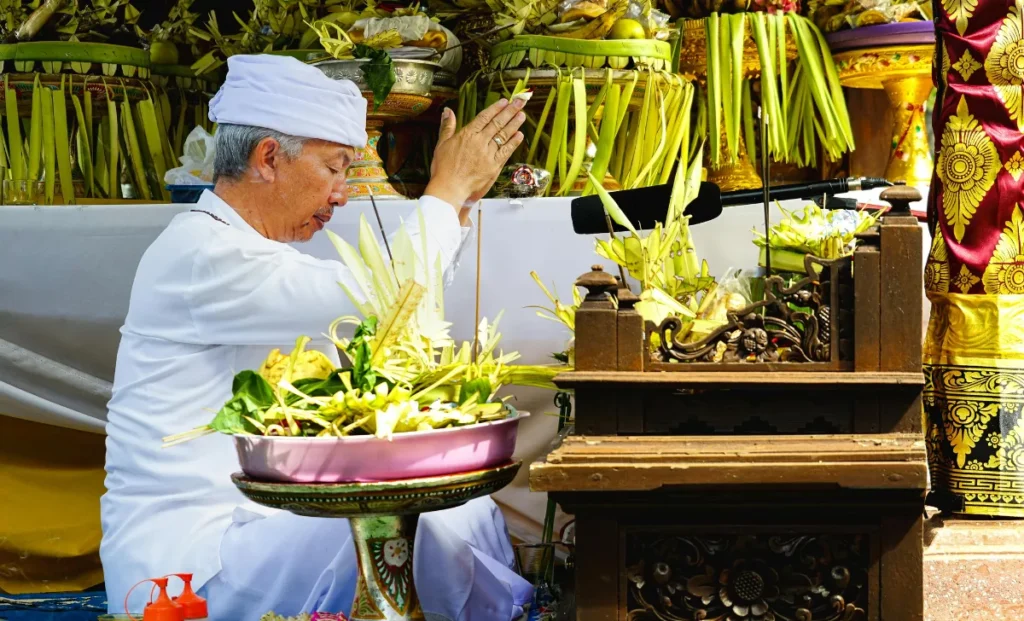
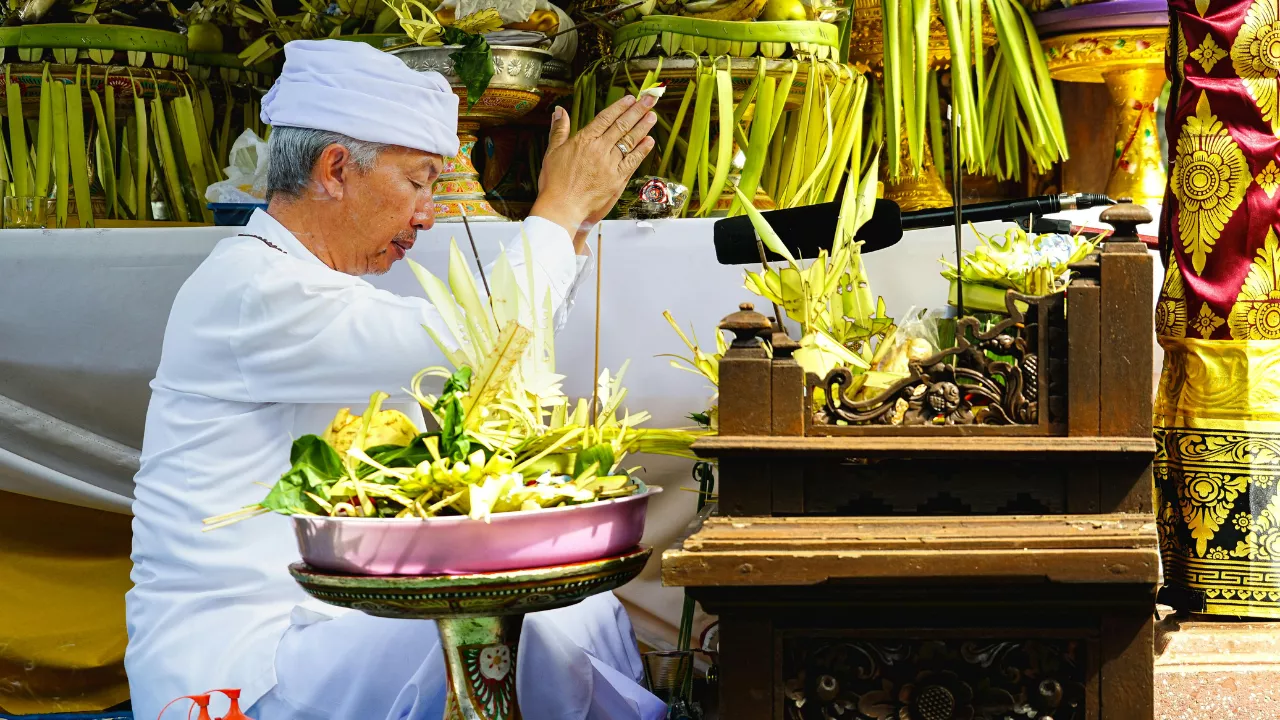
Nyepi Bali is one of the most unique cultural and spiritual observances in the world. Unlike typical New Year celebrations marked by fireworks and festivities, Nyepi—often called the Balinese Day of Silence—transforms the entire island of Bali into a sanctuary of stillness for 24 hours. Streets empty, airports close, businesses shut down, and even lights are dimmed. The silence is not symbolic—it is real, profound, and collectively observed.
For locals, Nyepi is a sacred time of purification, introspection, and spiritual renewal. For visitors, it is an unforgettable cultural experience that offers a rare opportunity to witness an island-wide commitment to reflection and balance. This comprehensive guide explores the traditions, philosophy, and practical considerations surrounding Nyepi Bali.
Nyepi Bali vs Balinese New Year (Saka Calendar)
Nyepi marks the Balinese New Year according to the Saka Calendar, a Hindu lunar calendar system introduced to Indonesia centuries ago. Unlike the Gregorian New Year celebrated on January 1st, the Saka New Year usually falls in March. Although Nyepi signifies the first day of the new year in this traditional calendar, it is profoundly different from Western New Year celebrations. There are no countdown parties, fireworks, or festive gatherings. Instead, the transition into the new year is observed through silence, self-restraint, and spiritual purification.
The Balinese New Year refers to the calendar change itself, while Nyepi is the sacred Day of Silence that marks this transition. The philosophy behind beginning the year in stillness is rooted in deep self-reflection. Rather than focusing on outward celebration, individuals turn inward to evaluate their actions, cleanse negative influences, and restore harmony between humans, nature, and the divine. Through silence and contemplation, the new year begins with spiritual renewal and balance.
Preparations Before Nyepi
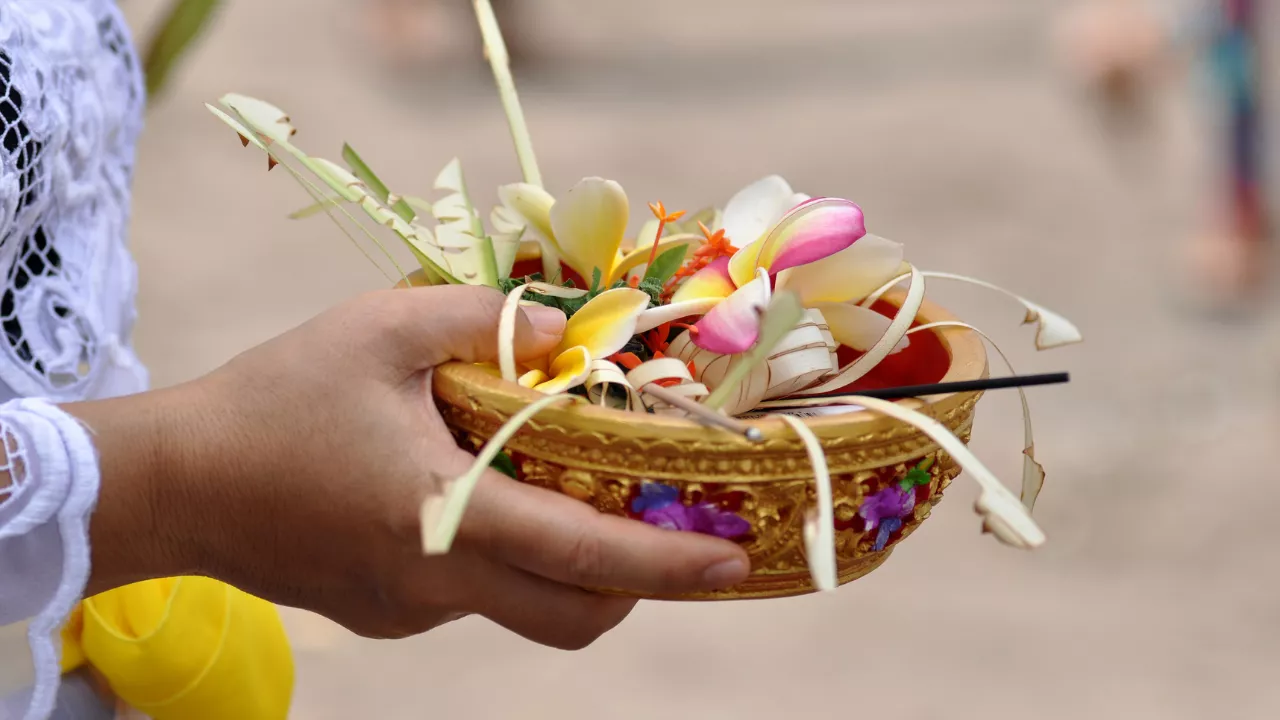
Nyepi is not simply a one-day observance, but the culmination of a series of elaborate rituals carried out over several days that gradually build spiritual intensity and strengthen community participation across Bali. In the days leading up to the Day of Silence, villages and families engage in purification ceremonies, temple prayers, and communal preparations designed to cleanse both the physical and spiritual realms. Sacred objects are blessed, offerings are prepared, and entire communities collaborate in rituals that symbolize the removal of negative energies. These pre-Nyepi ceremonies not only prepare individuals for introspection but also reinforce social bonds, shared responsibility, and the collective commitment to entering the new year in a state of harmony, balance, and spiritual readiness.
Melasti Ceremony: Purification Ritual
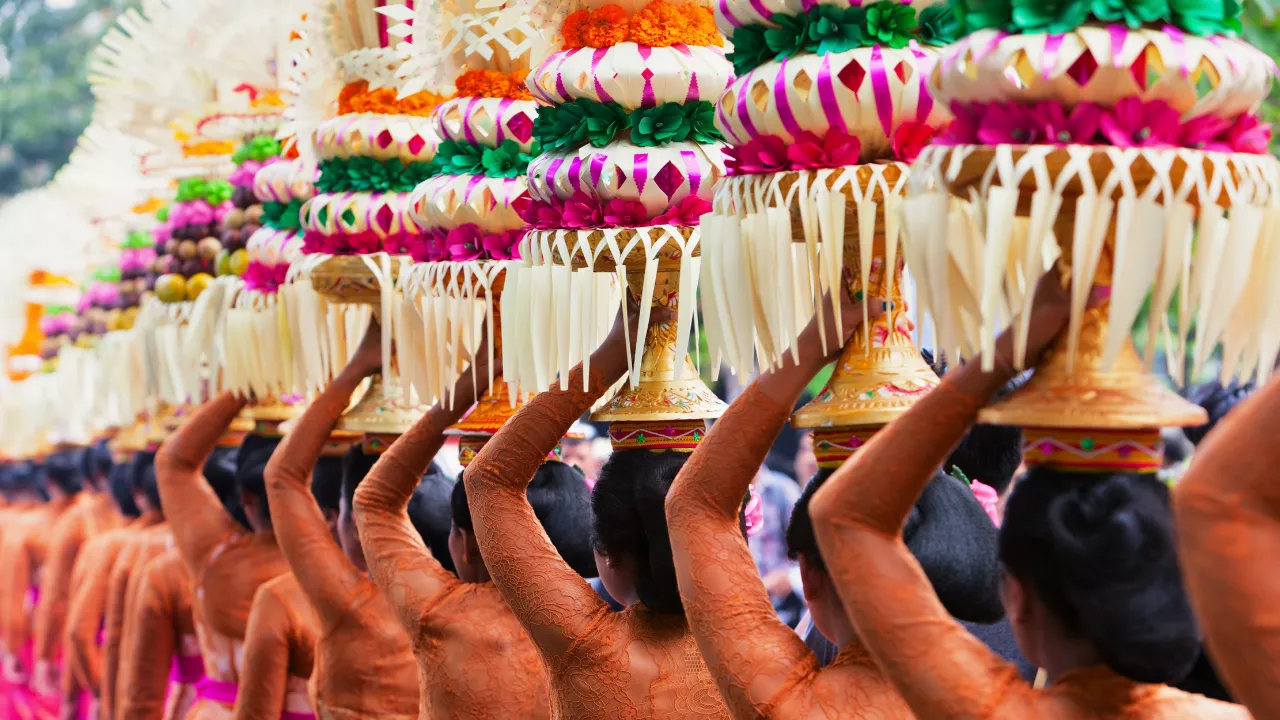
Several days before Nyepi, Balinese Hindus take part in the Melasti ceremony, a sacred purification ritual held at beaches, lakes, or other holy water sources across Bali. During this ceremony, sacred temple objects are carried in vibrant processions from village temples to the shoreline, accompanied by traditional music and communal prayers. Devotees gather to offer prayers aimed at cleansing negative elements and restoring spiritual balance. Holy water plays a central role in the ritual, symbolizing purification and renewal for both individuals and the community.
In Balinese Hindu belief, the sea is a powerful source of life and spiritual cleansing, making it the ideal setting for Melasti. Communities dressed in traditional white attire assemble in large numbers, creating a breathtaking visual spectacle along Bali’s coastline. Beyond its ceremonial beauty, Melasti carries deep philosophical meaning—it represents the purification of the universe (macrocosm) as well as the human self (microcosm), preparing both the world and its people to enter the silent New Year in a state of harmony and spiritual readiness.
Ogoh-Ogoh Parade: Symbolism and Community Roles
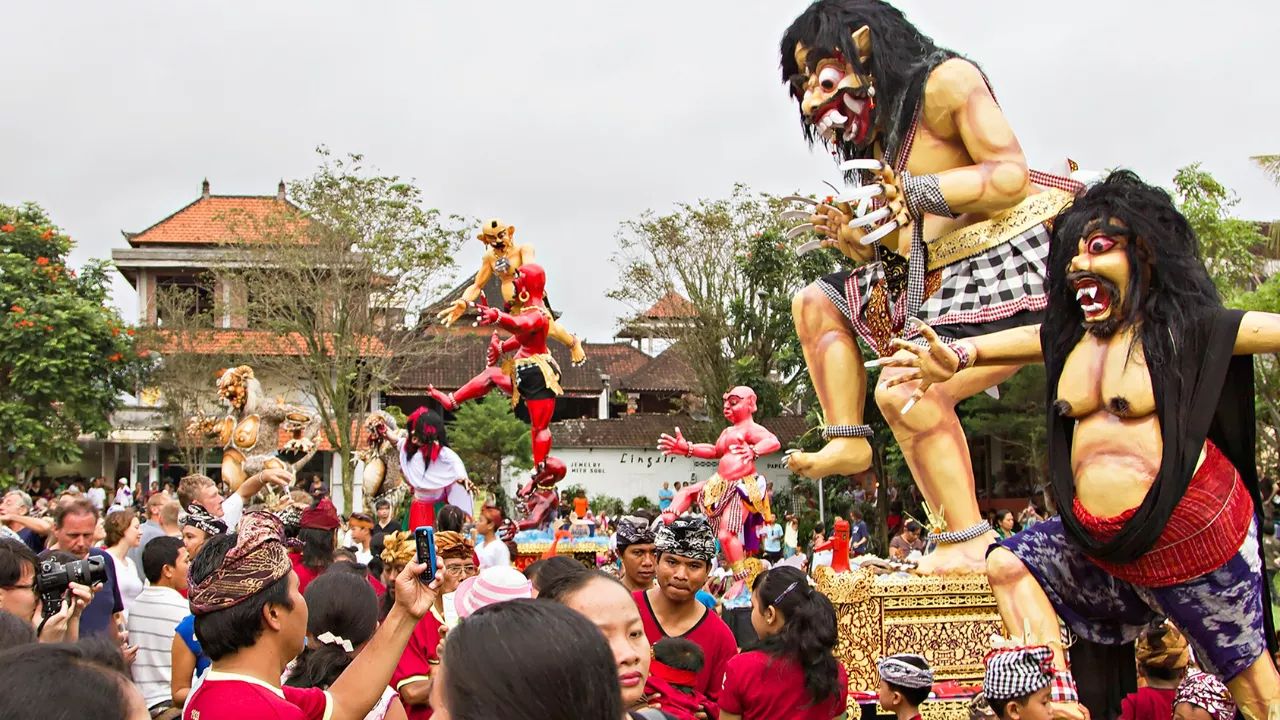
On the eve of Nyepi, the atmosphere across Bali shifts dramatically as villages come alive with the vibrant Ogoh-Ogoh parade. Ogoh-Ogoh are giant, often monstrous effigies crafted primarily from bamboo, paper, and other lightweight materials. These striking figures symbolize negative forces, inner demons, and chaotic energies that must be cleansed before entering the New Year. In the weeks leading up to the celebration, local communities—especially youth groups—work tirelessly to design and construct these elaborate statues, showcasing impressive creativity, craftsmanship, and teamwork.
The parade itself is a dynamic and theatrical event, accompanied by traditional gamelan music, blazing fire torches, dramatic performances, and lively processions through village streets. The energy is intense and celebratory, serving as a symbolic confrontation with negativity. At the end of the evening, many Ogoh-Ogoh are ceremonially burned, representing the destruction of harmful influences and the purification of the environment before the Day of Silence begins. Beyond its spiritual meaning, the ritual highlights strong communal collaboration and artistic expression, reinforcing social bonds and cultural identity throughout Bali.
Other Pre-Nyepi Ceremonies and Traditions
Beyond Melasti and the Ogoh-Ogoh parade, several other important rituals take place in the days leading up to Nyepi, further strengthening the spiritual preparation for the New Year. One of the key ceremonies is Tawur Kesanga, a ritual conducted at major crossroads to symbolically neutralize negative spirits and restore cosmic balance. Throughout villages, temple offerings and communal prayers are performed to seek protection and harmony, while families also carry out intimate rituals at their home shrines to cleanse their household environment. Together, these layered ceremonies emphasize purification, protection, and collective spiritual readiness before the island enters the profound silence of Nyepi.
Nyepi Day: The Day of Silence
Nyepi begins at 6:00 AM and lasts until 6:00 AM the following day. For 24 hours, the island enters complete stillness. Even Ngurah Rai International Airport closes—an extremely rare occurrence for a global tourist destination.
Key Rules and Prohibitions
Nyepi is governed by the Catur Brata Penyepian, four essential prohibitions.
Amati Geni (No Fire & Light)
No fire or bright lights are allowed. Homes keep lighting to a minimum at night, creating an extraordinary dark sky experience. Bali becomes one of the best places in the region for stargazing during Nyepi.
Amati Karya (No Working)
All work and economic activities cease. Offices, shops, and even tourist attractions remain closed.
Amati Lelungan (No Traveling)
No one is allowed to travel outside their home or accommodation. Streets are monitored by local traditional security officers known as Pecalang.
Amati Lelanguan (No Entertainment)
Entertainment and leisure activities are avoided. This includes music, television (often restricted), and social gatherings.
What Happens on Nyepi Streets and in Communities
The most remarkable sight during Nyepi in Bali is the profound emptiness that takes over the island. Roads that are normally crowded with scooters and cars become completely deserted, beaches are closed, and there is no visible traffic anywhere. The usual sounds of engines, music, and conversation disappear, replaced by an almost meditative stillness. Only the Pecalang—traditional Balinese security officers—quietly patrol neighborhoods to ensure that the rules of silence are respected. For visitors, witnessing a typically vibrant and lively destination transform into a place of total calm is both powerful and surreal, offering a rare opportunity to experience an entire island united in collective stillness.
Cultural and Spiritual Significance
Nyepi is deeply rooted in Balinese Hindu philosophy, emphasizing harmony between humans, nature, and the divine. During Nyepi in Bali, the island transforms into a place of profound emptiness—roads are deserted, beaches are closed, and daily noise disappears into near-total silence. Only the Pecalang quietly patrol to ensure the rules are observed. For visitors, seeing a usually vibrant destination fall completely still is both powerful and surreal, highlighting the collective spiritual commitment of the community.
Beyond its striking silence, Nyepi serves as a spiritual reset and a form of environmental rest. The Day of Silence encourages self-reflection, meditation, mindfulness, and renewal, allowing individuals to step back from distractions and realign with deeper values. At the same time, the temporary halt in activity reduces noise, traffic, and emissions, giving nature a brief but meaningful pause. In today’s fast-paced world, this combination of spiritual introspection and environmental awareness makes Nyepi increasingly relevant and appreciated.
Practical Guide for Visitors
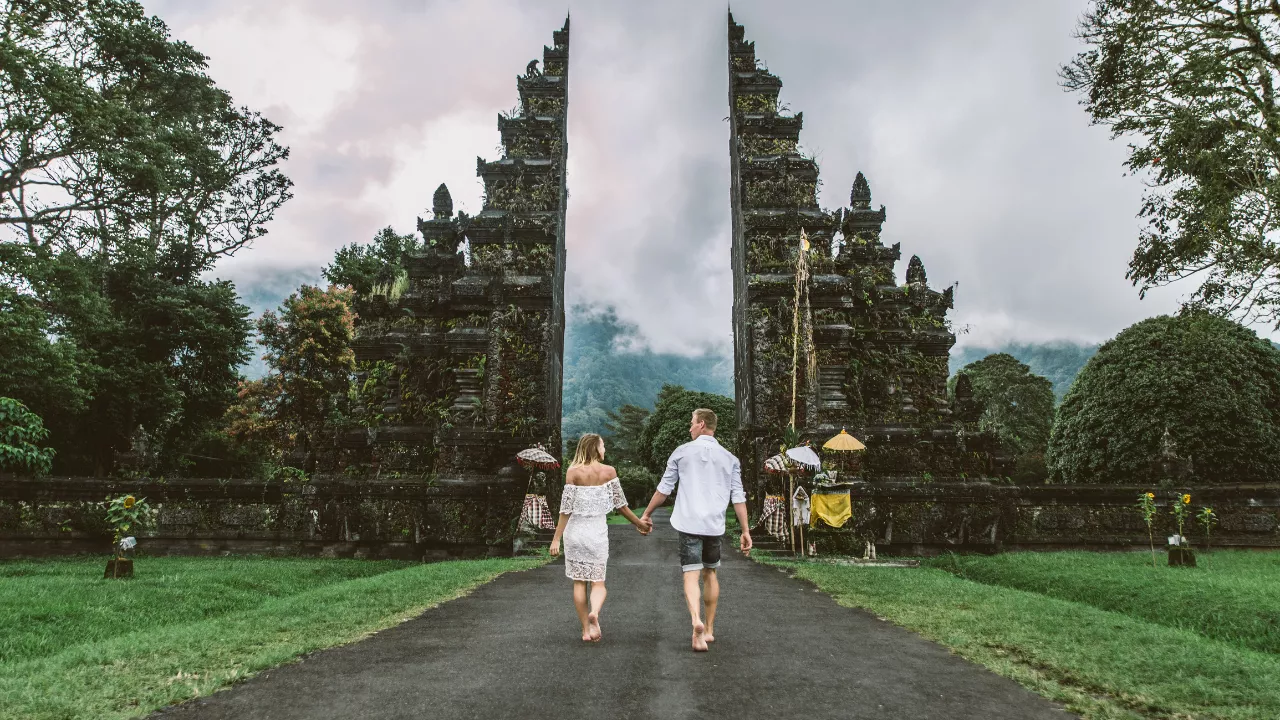
Traveling to Bali during Nyepi requires careful planning. Hotels and villas remain open but operate with limited services, and guests must stay within the property. Many resorts provide in-house dining, quiet activities, and wellness programs, especially in peaceful areas like Ubud and Canggu. Tourists must follow the same rules as locals—no leaving the property, no loud activities, and lights should be dimmed at night. The airport is closed, and no flights operate during Nyepi.
Public transportation, taxis, and ride-hailing services are unavailable, and only emergency medical services operate. Travelers should arrive at least a day before and depart a day after Nyepi. It is important to respect local customs, prepare food or essentials in advance, and embrace the quiet experience. Avoid leaving your accommodation, playing loud music, ignoring Pecalang instructions, or scheduling flights on Nyepi day.
Best Places to Stay in Bali During Nyepi
Choosing the right villa can make your Nyepi experience even more special — offering privacy, serenity, and comfort while observing the Day of Silence.
Canggu

Villa Cala Blanca
Located in the trendy and vibrant seaside village of Canggu, Villa Cala Blanca offers a stylish retreat just a short distance from beaches and popular restaurants. This private villa typically features three spacious bedrooms, comfortable living areas, and a private outdoor pool, making it ideal for families or small groups seeking a relaxed stay. Guests enjoy amenities like free Wi-Fi, air conditioning, a fully equipped kitchen, and self-parking — perfect for a restful base during Nyepi when outside travel and entertainment are limited.

Villa Boa
Villa Boa is a beautifully designed three-bedroom villa located within the Canggu Beachside Villas community, blending contemporary comfort with tropical charm. The property features an expansive pool area, open-plan living spaces, and a lush garden setting — ideal for relaxing in privacy. Its location is especially convenient: guests are just minutes’ walk from Batu Belig and Berawa beaches, offering tranquil vibes while still close to chic cafes and low-key beachfront culture. During Nyepi, this villa’s thoughtful layout and peaceful surroundings make it a great choice for experiencing Bali’s unique silence.
Ubud

Villa Mamily
Villa Mamily is an elegant villa tucked away near the cultural heart of Ubud, surrounded by lush landscapes and traditional Balinese charm. The villa features luxurious bedrooms with flexible bedding arrangements, a refreshing outdoor pool, and a tranquil garden — all designed to foster relaxation and quality time with family or friends. Its location near Ubud’s iconic attractions like the Monkey Forest and local art markets makes it a serene yet enriching place to stay during Nyepi, where quiet reflection and nature appreciation are key elements of the experience.

Villa Yuka Ubud
Villa Yuka Ubud offers a blend of private luxury and cultural immersion in the heart of Ubud. Guests can expect beautifully appointed spaces featuring Balinese aesthetics, spacious common areas, and amenities that allow for comfort during extended stays. Its proximity to central Ubud makes it perfect for those who want to explore local temples and rice-field landscapes on the days around Nyepi, while still enjoying a peaceful and private stay during the silent hours.
Sumba Island

Alamayah
For travelers seeking a truly remote and restorative escape, Alamayah on Sumba Island provides a luxury sanctuary far from urban bustle. The expansive property blends open-air architecture with the rugged natural beauty of Sumba’s coastline and interior, offering private pools, wellness spaces, and bespoke services designed around relaxation and mindfulness. With yoga areas, spa facilities, and gourmet dining options, Alamayah is perfect for deep reflection — making it an inspiring alternative for Nyepi travelers who want peace, rejuvenation, and cultural immersion in a scenic island setting.
Nyepi Bali is far more than a public holiday—it is a profound cultural and spiritual phenomenon that reflects the deep-rooted values of harmony and balance in Bali. Through purification rituals, symbolic ceremonies, and a full day of island-wide silence, the community demonstrates an extraordinary collective commitment to introspection and renewal. For locals, Nyepi is a sacred reset that marks a new beginning; for visitors, it offers a rare and transformative experience. In an increasingly noisy and fast-paced world, Nyepi stands as a powerful reminder that sometimes the most meaningful celebration is found in silence.
Frequently Asked Questions

What is Nyepi Bali?
Nyepi Bali is the Balinese Day of Silence that marks the Hindu New Year based on the Saka calendar. It is observed with 24 hours of complete silence, no travel, no work, and minimal light across the entire island of Bali.
When is Nyepi celebrated?
Nyepi is celebrated annually in March, according to the Balinese Saka lunar calendar. The exact date changes each year because it follows the lunar cycle rather than the Gregorian calendar.
Can tourists travel during Nyepi in Bali?
No, tourists must follow the same rules as locals. Airports close, no flights operate, and visitors must stay inside their accommodation for 24 hours. Hotels remain open but with limited services.
What happens the day before Nyepi?
On the eve of Nyepi, Bali holds the Ogoh-Ogoh parade, where large symbolic statues representing negative spirits are paraded through villages and often burned to signify purification before the New Year.
Why is Nyepi important spiritually?
Nyepi is rooted in Balinese Hindu philosophy and symbolizes purification, self-reflection, and renewal. The day encourages meditation, introspection, and restoring harmony between humans, nature, and the divine.